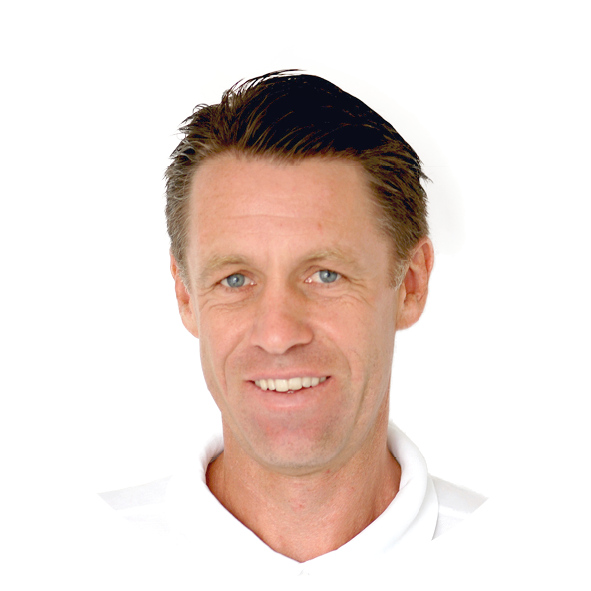
Interview with Dr. med. dent. Thomas Meier: Lessons from the past, innovations for the future
«Modern implantology means to me not staying stuck on old paths, but trying new techniques that move the field forward.»
With over 30 years of experience, Dr. Thomas Meier has been part of the evolution of implantology in Switzerland from its earliest days to today’s sophisticated, patient-centered techniques. His career is founded on mentorship, collaboration, and a passion for innovation – both functional and aesthetic.
From Foundations to Firsts
«An exciting and horizon-expanding time.»
Dr. Meier began his dental career as an assistant in the practice of Beat Guggisberg and Claude Andreoni. There, he developed a solid foundation in prosthetics, restorative dentistry, and periodontology – and got his first introduction to implantology.
A defining moment came when Professor Brånemark himself visited their clinic. He «came to our practice because we placed the first Brånemark implant outside a university. That was a special experience for me and sparked my interest in implantology,» Dr. Meier recalls.
Another turning point followed with Richard Lazzara, founder of 3i Implants. «At that time, implantology was shifting from functionality to aesthetics. Lazzara was very innovative and produced components that allowed for more aesthetic implant restorations.»
Later, Ueli Grunder introduced him to the Thommen Medical system. «We were excited by it, also by the surface. We had better results than before,» says Meier. His practice adopted the system and became involved in its development. «We helped improve the components together with the company. That was another very exciting time for us.»
Avoiding Aesthetic Pitfalls
«Too buccal, and the case is lost.»
For Dr. Meier, one of the most important lessons relates to implant positioning. «When I work with younger colleagues, I often see implants being placed too far buccally. I’ve done that myself once or twice – and learned a lot from it.»
He emphasizes: «An implant in the anterior zone should always be placed in the palatal wall of the original socket. Even if the implant is slightly too palatal, you can save the case and still get a good result. But if the implant is too far buccal, then the case is lost. We see remodeling in the alveolar bone, buccal resorption, no soft tissue support, recession – almost always an aesthetic failure.» Dr. Meier’s advice boils down to: «Place it more palatally. That can be corrected.»
The Value of Mentors and Discussion
Dr. med. dent. Thomas Meier
We were always open to trying things – sometimes they worked well, sometimes less so.
Dr. Meier’s early mentors, especially Dr. Guggisberg and Dr. Andreoni, played a central role in his development. «I learned a great deal from Dr. Guggisberg and Dr. Andreoni and benefited from his knowledge. I was involved in large implant cases – we discussed them as a team and that led to shared, well-rounded decisions,» he recalls.
Another influential figure was Dr. Markus Hürzeler. «I’ve known him since my student days. He’s always inspired me with his willingness to try new approaches.»
A Look Ahead
«Approach new techniques critically, but don’t condemn them from the start.»
For Dr. Meier, the future lies in techniques that are faster, less invasive, and still deliver exceptional results. He’s especially interested in the Immediate Dentoalveolar Restoration (IDR) technique, developed by Dr. José Carlos Martins da Rosa. «It’s still somewhat controversial, but time will tell whether it provides stable outcomes.»
His advice to young dentists is clear: “attend courses, go to national and international congresses, explore new trends and techniques.” Mentorship programs like those offered by AID are also hugely valuable. «You benefit from the perspectives of others – it’s inspiring and broadens your horizons.»